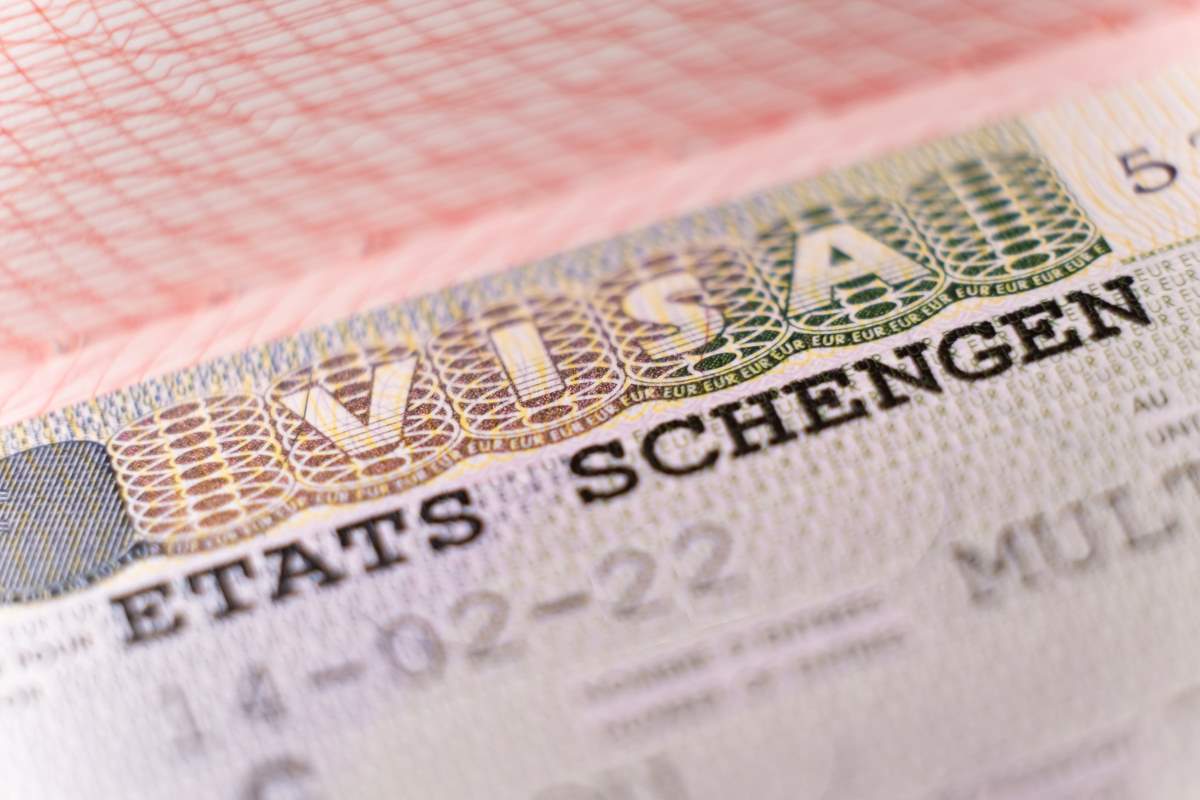
Planning a gap year trip to Europe? Or a US visit before starting work? Here’s something worth knowing first.
South African travel agents are seeing more visa refusals. Young travellers are being hit hardest.
*What agents are actually seeing*
A recent Travel News poll asked agents directly. Nearly 70% had noticed more rejections, or more requests for extra documents, from young adults and students.
The trend is clearest in two places. The US and European Schengen countries.
One Cape Town-based agent, Harriet Fourie from Sky Arch Travel, put it simply. She’d rarely had a Schengen refusal before this year. Now it’s becoming more common.
*The numbers behind it*
European Commission data backs this up. South Africa’s Schengen refusal rate sat at 5.3% recently. That’s up from 3.3% in 2019.
Applications have actually dropped too. South Africans applied for 225,060 Schengen visas in 2019. By 2025, that number was down to 195,946.
Refusals, meanwhile, went the other way. From 7,388 in 2019 to 10,203 last year.
*Why young applicants specifically*
This isn’t random. Consulates are looking for one thing above all else: proof you’ll actually go home.
Visa expert Andrea Bonalumi explained it directly. Young applicants often don’t have a job, a business, a house, or a family tying them down.
That makes consulates nervous. Some younger travellers apply for tourist visas while quietly planning to work abroad illegally. Consulates have caught on, and scrutiny has risen for everyone as a result.
*What this means for South African travellers*
If you’re young, unemployed, or between jobs, and planning international travel, this is worth taking seriously. A refusal doesn’t just cost you this trip. It can complicate future visa applications too.
The good news: there are concrete ways to strengthen your application.
*How to improve your chances*
Show clear financial proof. Bonalumi recommends having at least R2,000 available per day of your trip.
Provide evidence you’ll return. That could mean proof of arranged employment back home, or other clear ties to South Africa.
Clean up your social media. Consulates do check, and posts suggesting foreign job hunting can work against you.
Apply early. Fourie strongly recommends submitting well ahead of your travel dates. That protects you financially if a decision is delayed or refused, especially with strict airline change fees and upfront hostel payments.
*If you do get refused*
Not all refusals are worth fighting. If the reason is fixable, reapplying can work. One client successfully reapplied for a French visa after adding proof of funds, prepaid accommodation, and invitation letters from friends already in France.
If the refusal reason isn’t something you can change, agents advise against reapplying. You’ll likely be refused again on the same grounds.
*The practical takeaway*
Before booking flights to Europe or the US, especially if you’re a younger, unemployed, or first-time international traveller, build in visa buffer time. Apply as early as possible, and gather strong proof of both funds and ties back home.
It’s a more cautious approach than travel used to require. But it’s a far better position than losing money on a refused application and non-refundable bookings.
South African travel agents are seeing more visa refusals. Young travellers are being hit hardest.
*What agents are actually seeing*
A recent Travel News poll asked agents directly. Nearly 70% had noticed more rejections, or more requests for extra documents, from young adults and students.
The trend is clearest in two places. The US and European Schengen countries.
One Cape Town-based agent, Harriet Fourie from Sky Arch Travel, put it simply. She’d rarely had a Schengen refusal before this year. Now it’s becoming more common.
*The numbers behind it*
European Commission data backs this up. South Africa’s Schengen refusal rate sat at 5.3% recently. That’s up from 3.3% in 2019.
Applications have actually dropped too. South Africans applied for 225,060 Schengen visas in 2019. By 2025, that number was down to 195,946.
Refusals, meanwhile, went the other way. From 7,388 in 2019 to 10,203 last year.
*Why young applicants specifically*
This isn’t random. Consulates are looking for one thing above all else: proof you’ll actually go home.
Visa expert Andrea Bonalumi explained it directly. Young applicants often don’t have a job, a business, a house, or a family tying them down.
That makes consulates nervous. Some younger travellers apply for tourist visas while quietly planning to work abroad illegally. Consulates have caught on, and scrutiny has risen for everyone as a result.
*What this means for South African travellers*
If you’re young, unemployed, or between jobs, and planning international travel, this is worth taking seriously. A refusal doesn’t just cost you this trip. It can complicate future visa applications too.
The good news: there are concrete ways to strengthen your application.
*How to improve your chances*
Show clear financial proof. Bonalumi recommends having at least R2,000 available per day of your trip.
Provide evidence you’ll return. That could mean proof of arranged employment back home, or other clear ties to South Africa.
Clean up your social media. Consulates do check, and posts suggesting foreign job hunting can work against you.
Apply early. Fourie strongly recommends submitting well ahead of your travel dates. That protects you financially if a decision is delayed or refused, especially with strict airline change fees and upfront hostel payments.
*If you do get refused*
Not all refusals are worth fighting. If the reason is fixable, reapplying can work. One client successfully reapplied for a French visa after adding proof of funds, prepaid accommodation, and invitation letters from friends already in France.
If the refusal reason isn’t something you can change, agents advise against reapplying. You’ll likely be refused again on the same grounds.
*The practical takeaway*
Before booking flights to Europe or the US, especially if you’re a younger, unemployed, or first-time international traveller, build in visa buffer time. Apply as early as possible, and gather strong proof of both funds and ties back home.
It’s a more cautious approach than travel used to require. But it’s a far better position than losing money on a refused application and non-refundable bookings.