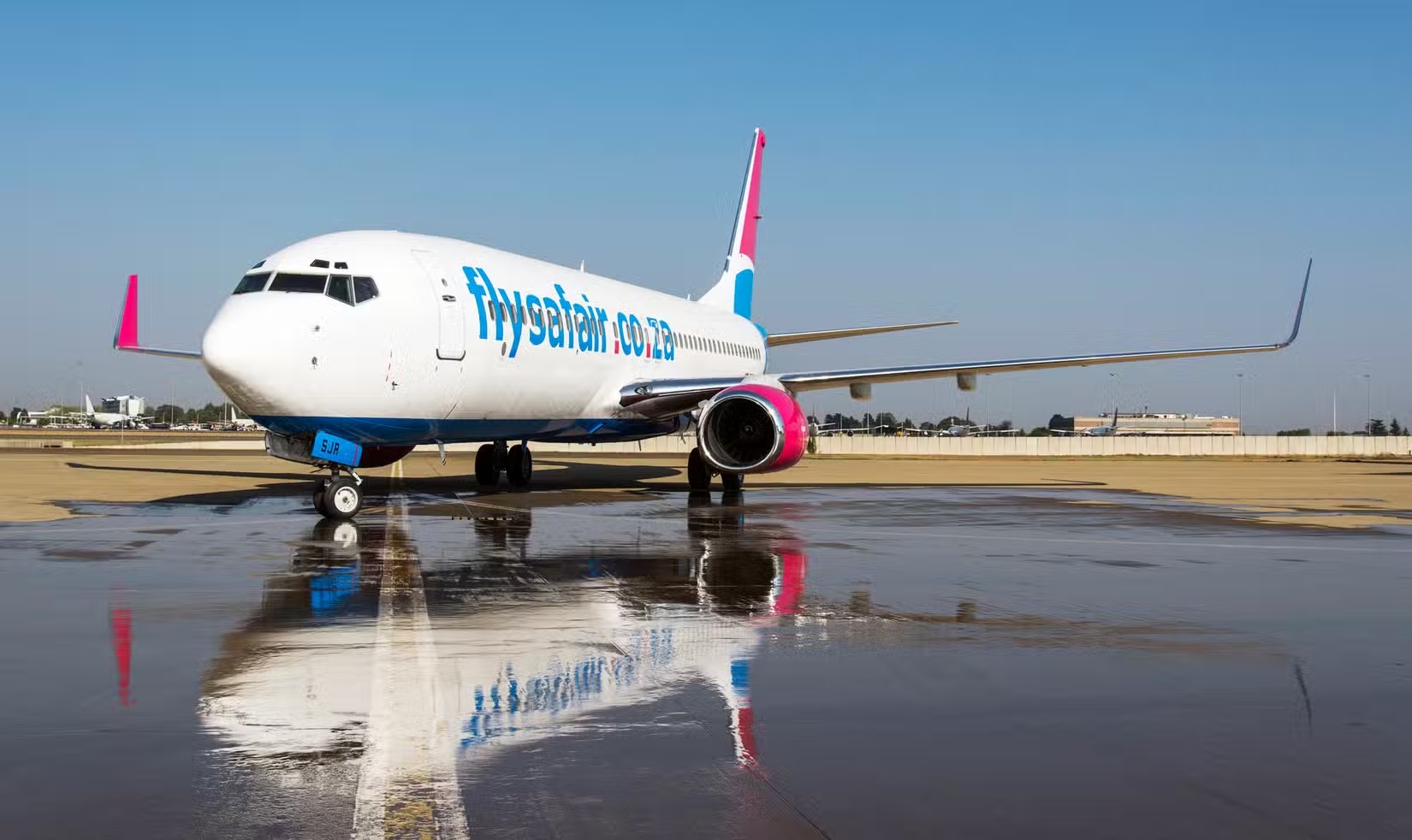
FlySafair updated its fuel surcharge again yesterday. If that sounds familiar, it should.
This charge has been adjusting weekly since March. Here’s the full story, and what it means for your next booking.
*How this started*
Back in March 2026, jet fuel prices spiked hard. A Middle East conflict disrupted the Strait of Hormuz, a critical route carrying roughly 20% of the world’s oil supply.
Jet A1 fuel at South African coastal airports jumped around 70% in a single week. FlySafair, which had never charged a fuel surcharge before, said it had no reasonable alternative.
The airline introduced a temporary Dynamic Fuel Surcharge on 12 March. It was meant to be short-term, itemised clearly on every ticket rather than hidden inside fares.
*Why it’s still here, months later*
The surcharge was originally meant to end by 12 May. It didn’t.
FlySafair extended it to August, then kept extending as global fuel markets stayed volatile. As of this week, it’s still active, still reviewed every seven days.
To be fair to the airline, this hasn’t just meant increases. Prices peaked in March, then eased. By June, FlySafair had cut surcharges by up to 40% from their highest point, saving up to R285 per flight on domestic routes and R413 on regional ones.
*What determines the price*
The surcharge isn’t fixed. It moves with actual fuel costs, and varies by route length, since longer flights burn more fuel.
At its March peak, the Cape Town–Johannesburg route carried an R832 surcharge per flight. Cape Town–Durban hit R840. Those were the worst weeks of the crisis.
Since then, the trend has generally been downward, though FlySafair has been clear it can’t promise a fixed timeline. Everything depends on global oil markets, which remain genuinely unpredictable.
*What this means for South African travellers*
If you’re booking a FlySafair flight, the fare you see already includes the current week’s surcharge. There’s no separate step required on your part.
If you’ve already booked, your price is locked in. FlySafair has repeatedly confirmed it never applies surcharges retrospectively to existing bookings.
Where it does matter is if you’re changing an existing booking. Move to a new flight date, and the surcharge applicable to that new date will apply, even if your original booking predated the surcharge entirely.
*The practical takeaway*
FlySafair publishes current surcharge amounts by route on its own fuel surcharge page, updated weekly. It’s worth a quick check before booking, especially on longer regional routes where the surcharge tends to run higher.
There’s no clear end date in sight. The airline has tied removal specifically to fuel markets stabilising, not to a calendar date.
For now, the sensible approach is simple. Check the current rate before you book, and don’t assume today’s price matches what you last saw a few months ago.
This charge has been adjusting weekly since March. Here’s the full story, and what it means for your next booking.
*How this started*
Back in March 2026, jet fuel prices spiked hard. A Middle East conflict disrupted the Strait of Hormuz, a critical route carrying roughly 20% of the world’s oil supply.
Jet A1 fuel at South African coastal airports jumped around 70% in a single week. FlySafair, which had never charged a fuel surcharge before, said it had no reasonable alternative.
The airline introduced a temporary Dynamic Fuel Surcharge on 12 March. It was meant to be short-term, itemised clearly on every ticket rather than hidden inside fares.
*Why it’s still here, months later*
The surcharge was originally meant to end by 12 May. It didn’t.
FlySafair extended it to August, then kept extending as global fuel markets stayed volatile. As of this week, it’s still active, still reviewed every seven days.
To be fair to the airline, this hasn’t just meant increases. Prices peaked in March, then eased. By June, FlySafair had cut surcharges by up to 40% from their highest point, saving up to R285 per flight on domestic routes and R413 on regional ones.
*What determines the price*
The surcharge isn’t fixed. It moves with actual fuel costs, and varies by route length, since longer flights burn more fuel.
At its March peak, the Cape Town–Johannesburg route carried an R832 surcharge per flight. Cape Town–Durban hit R840. Those were the worst weeks of the crisis.
Since then, the trend has generally been downward, though FlySafair has been clear it can’t promise a fixed timeline. Everything depends on global oil markets, which remain genuinely unpredictable.
*What this means for South African travellers*
If you’re booking a FlySafair flight, the fare you see already includes the current week’s surcharge. There’s no separate step required on your part.
If you’ve already booked, your price is locked in. FlySafair has repeatedly confirmed it never applies surcharges retrospectively to existing bookings.
Where it does matter is if you’re changing an existing booking. Move to a new flight date, and the surcharge applicable to that new date will apply, even if your original booking predated the surcharge entirely.
*The practical takeaway*
FlySafair publishes current surcharge amounts by route on its own fuel surcharge page, updated weekly. It’s worth a quick check before booking, especially on longer regional routes where the surcharge tends to run higher.
There’s no clear end date in sight. The airline has tied removal specifically to fuel markets stabilising, not to a calendar date.
For now, the sensible approach is simple. Check the current rate before you book, and don’t assume today’s price matches what you last saw a few months ago.