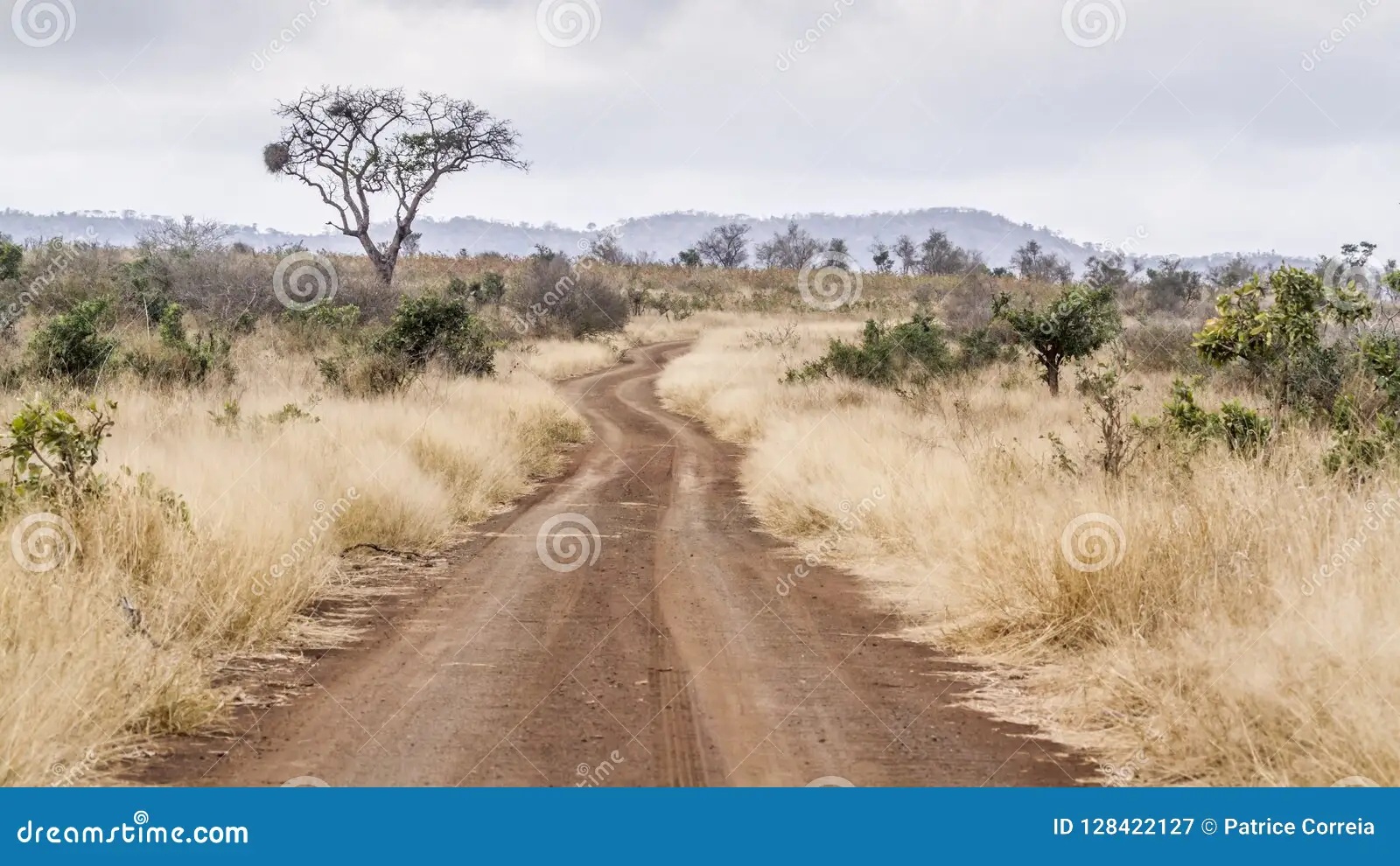
If you’ve driven through Kruger National Park during the wet season, you’ve probably hit a barrier across a road you were planning to take. It’s tempting to assume it’s overly cautious — the road looks fine, the sign’s a bit faded, and your itinerary really wanted that route. SANParks has just issued a clear warning about exactly this behaviour, and the consequences are more serious than most self-drive visitors realise.
*What SANParks is actually flagging*
Some visitors have been deliberately bypassing road closures inside Kruger, and the park authority says this isn’t a minor rule-bend — it’s a real safety and resourcing problem. Beyond putting the driver and passengers at risk, it’s also technically illegal: driving on closed roads breaches South Africa’s National Environmental Management: Protected Areas Act, and it sets a bad precedent, since other visitors often follow a car that’s clearly ignored a barrier.
*The part most self-drive tourists don’t think about: what a rescue actually costs*
Here’s the detail that should change how seriously you take a closed-road sign. If you get stuck on a road that was closed for a reason — usually wet-weather damage — and need rescuing, SANParks can hold you liable for the cost of that operation. And a typical search-and-rescue response isn’t small: SANParks says a standard case can involve at least four ranger vehicles and eight rangers, sometimes with aircraft support if you can’t be located quickly. Given how patchy cellphone coverage is in large parts of Kruger, “just calling for help” isn’t always an option once you’re off the beaten track.
There’s also a quieter cost that doesn’t show up in a fine: driving over an already-damaged road can cause further structural harm, delaying repairs and potentially keeping that route closed to everyone for even longer.
*The part most self-drive tourists don’t think about: what a rescue actually costs*
Here’s the detail that should change how seriously you take a closed-road sign. If you get stuck on a road that was closed for a reason — usually wet-weather damage — and need rescuing, SANParks can hold you liable for the cost of that operation. And a typical search-and-rescue response isn’t small: SANParks says a standard case can involve at least four ranger vehicles and eight rangers, sometimes with aircraft support if you can’t be located quickly. Given how patchy cellphone coverage is in large parts of Kruger, “just calling for help” isn’t always an option once you’re off the beaten track.
There’s also a quieter cost that doesn’t show up in a fine: driving over an already-damaged road can cause further structural harm, delaying repairs and potentially keeping that route closed to everyone for even longer.
*Why this genuinely matters for South African self-drive travelers*
Kruger remains one of the most popular self-drive safari destinations for South Africans precisely because you don’t need a guide or a 4×4 tour operator — you can rent a sedan, book a rest camp, and explore independently. That freedom is exactly why this warning matters: unlike a guided tour where a professional driver makes these calls, self-drive visitors are entirely responsible for their own route decisions, and it’s easy to underestimate how quickly a “shortcut” through wet terrain becomes a genuine emergency.
Kruger remains one of the most popular self-drive safari destinations for South Africans precisely because you don’t need a guide or a 4×4 tour operator — you can rent a sedan, book a rest camp, and explore independently. That freedom is exactly why this warning matters: unlike a guided tour where a professional driver makes these calls, self-drive visitors are entirely responsible for their own route decisions, and it’s easy to underestimate how quickly a “shortcut” through wet terrain becomes a genuine emergency.
*The practical takeaway for your next Kruger trip*
– Treat every closed-road barrier as final, not as a suggestion open to interpretation based on how the road looks. – Check current road conditions with your camp reception or the SANParks app before setting out, especially after rain — conditions can change faster than signage gets updated. – If you’re staying at Lower Sabie, Crocodile Bridge, or other camps prone to seasonal access issues, build flexibility into your itinerary rather than planning tight point-to-point routes during the wet season. – Remember that being reported missing (even without an accident) triggers a real operational response — camp staff and family will raise the alarm if you don’t arrive as expected, so keeping to your stated route matters even beyond your own safety.
– Treat every closed-road barrier as final, not as a suggestion open to interpretation based on how the road looks. – Check current road conditions with your camp reception or the SANParks app before setting out, especially after rain — conditions can change faster than signage gets updated. – If you’re staying at Lower Sabie, Crocodile Bridge, or other camps prone to seasonal access issues, build flexibility into your itinerary rather than planning tight point-to-point routes during the wet season. – Remember that being reported missing (even without an accident) triggers a real operational response — camp staff and family will raise the alarm if you don’t arrive as expected, so keeping to your stated route matters even beyond your own safety.
*The takeaway*
A closed road in Kruger isn’t bureaucratic overcaution — it’s often the difference between a normal game drive and becoming the reason four ranger vehicles and eight staff get pulled off other duties for hours. Respecting the barrier costs you nothing but a slightly longer detour; ignoring it can cost you a fine, liability for a rescue operation, and potentially your safety.
A closed road in Kruger isn’t bureaucratic overcaution — it’s often the difference between a normal game drive and becoming the reason four ranger vehicles and eight staff get pulled off other duties for hours. Respecting the barrier costs you nothing but a slightly longer detour; ignoring it can cost you a fine, liability for a rescue operation, and potentially your safety.